
Our History: Tenement house with soul, hotel with passion
Where history meets modernity
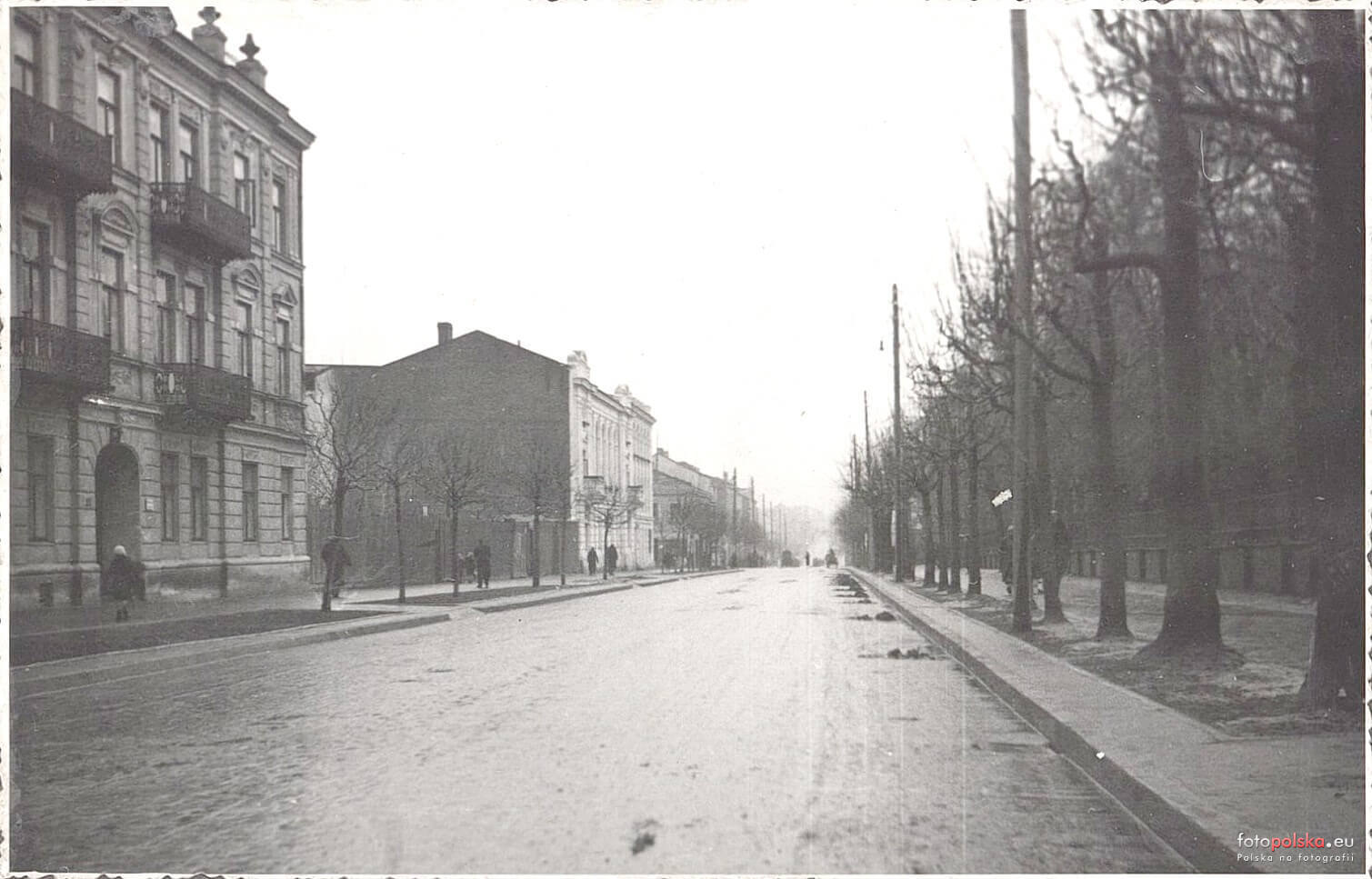
The European Hotel in Radom is not only comfortable rooms and professional service. Above all, it is a story enclosed within the walls of a historic, bourgeois townhouse from the early 20th century. Located at 11 Słowackiego Street, opposite a green city park, the building is an architectural gem of Radom – a captivating blend of classicism, eclecticism, and modernism.
The European Hotel in Radom is not only comfortable rooms and professional service. Above all, it is a story enclosed within the walls of a historic, bourgeois townhouse from the early 20th century. Located at 11 Słowackiego Street, opposite a green city park, the building is an architectural gem of Radom – a captivating blend of classicism, eclecticism, and modernism.
Dowry with a tragic twist
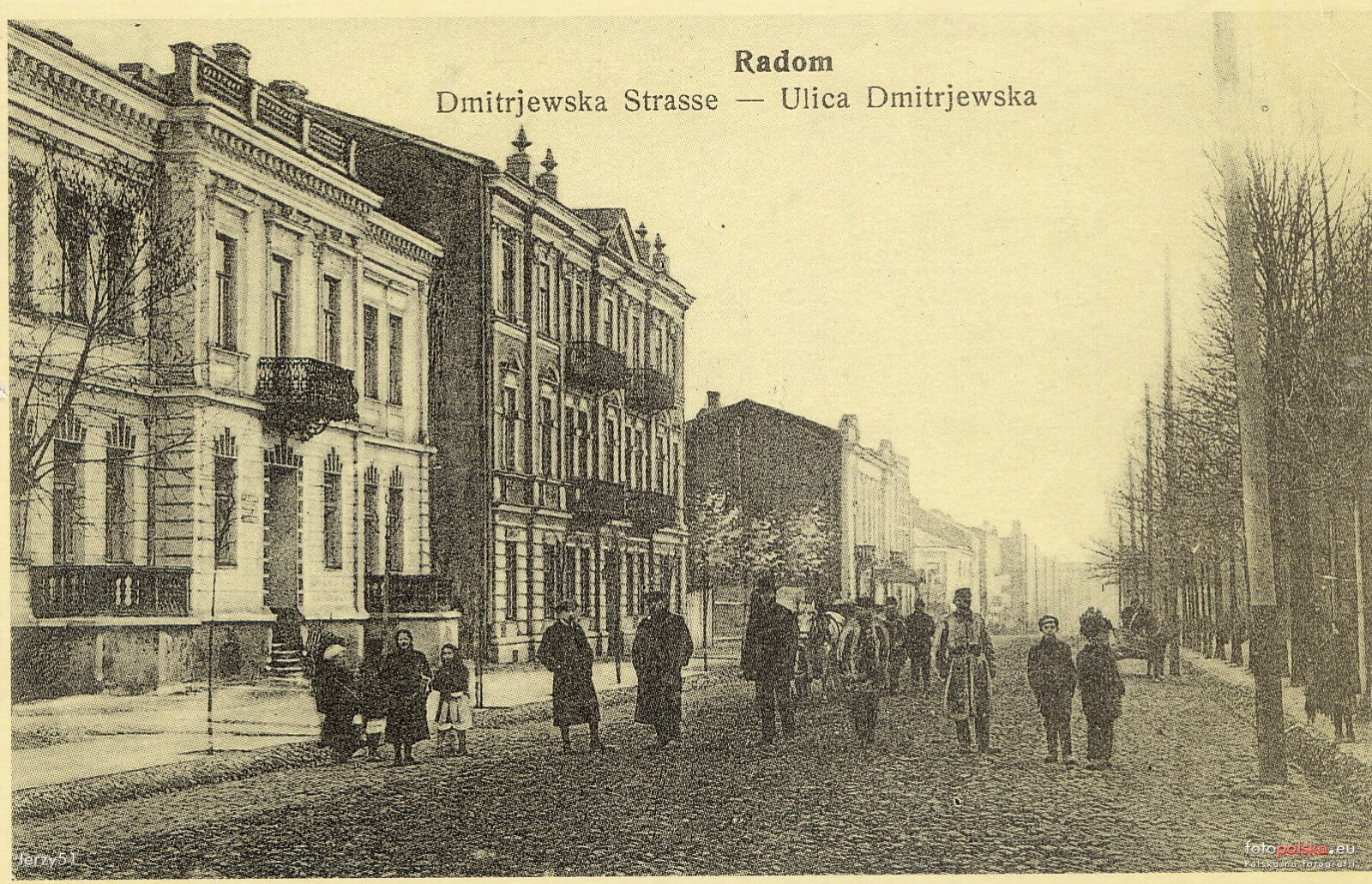
The history of this place is inseparably linked with the fate of the Kaliszczak family. The tenement house was purchased by Julia and Leon Plenkiewicz (owners of an estate in Klwaty near Radom) as a wedding dowry for their daughter, Zofia. It was here, beside her husband – judge Jerzy Kaliszczak – that Zofia led a happy and prosperous life.
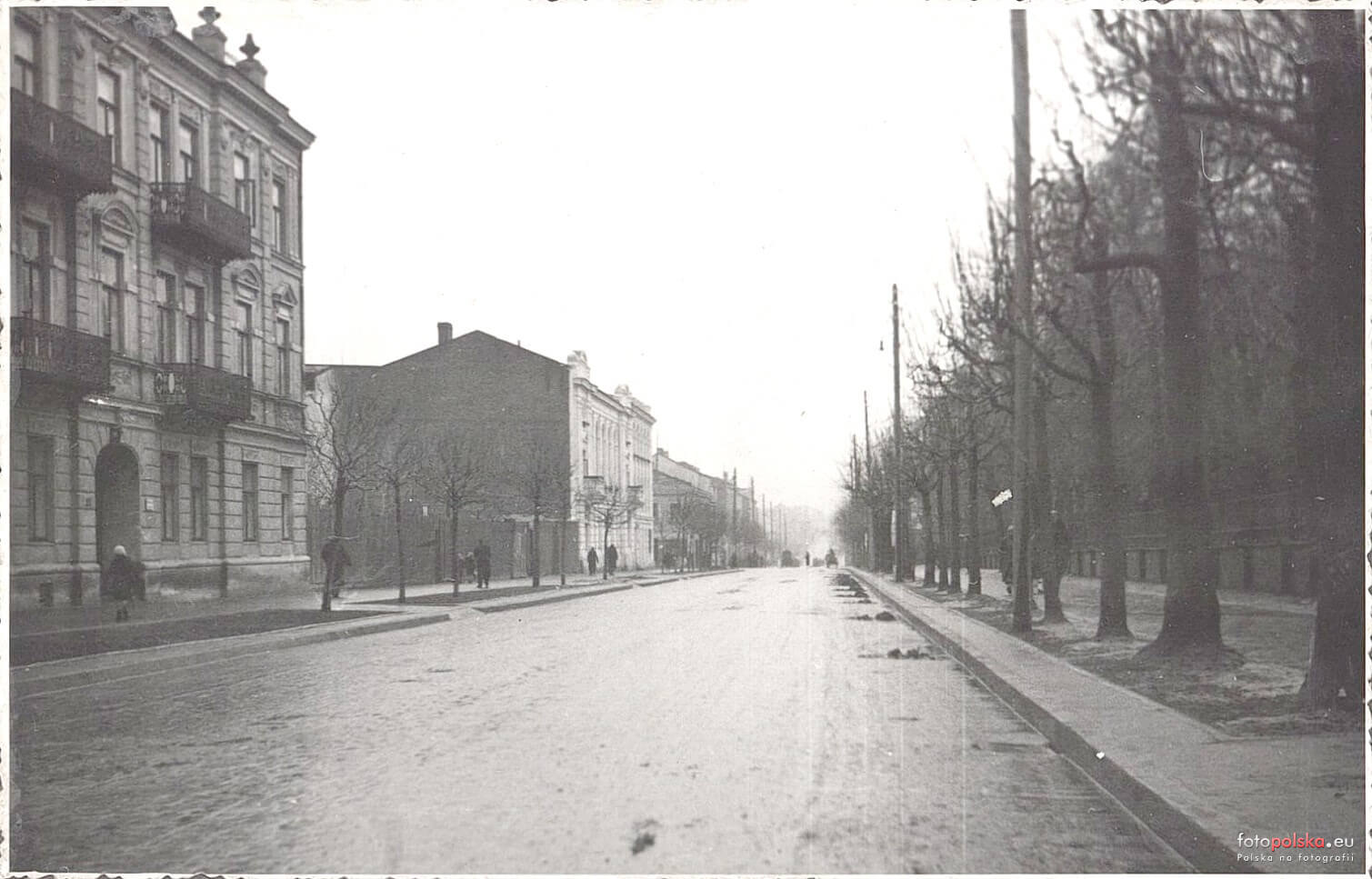
Everything changed in September 1939. The outbreak of World War II took peace from the family, and the building was taken over by the German occupying authorities to house officials of the nearby Radom district, whose main office was located in the Sandomierz Palace.
After the war, under the realities of the People's Republic of Poland, the tenement house formally returned to the hands of Zofia Kaliszczak, but the new authorities deprived her of the real right to manage the property. Despite imposed tenants and extremely low official rents that did not allow for proper maintenance of the building, Mrs. Zofia never gave up. She sold family silver and jewelry to save the deteriorating house from inevitable ruin. Although the family urged her to give the burdensome estate to the state, she steadfastly refused, believing until the end of her life that communist rule would come to an end.
A living room full of secrets, contrasts and... bridge
For several decades after the war, the walls of the tenement house became home to an extraordinary mosaic of human destinies. In the smaller units of the former luxurious apartments, exclusive trunks from Monte Carlo stood directly beside barrels full of sauerkraut.
Here lived side by side pre-war lawyers, former rural housekeepers, an accountant, the caretaker's family, and Mrs. Piątkowska, who traded (of course illegally) in veal. On the first floor, a survivor of the Auschwitz camp hid from the trauma and cruelty of the world, while on the ground floor, Mrs. Serbianowa gave piano lessons. In one of the rooms resided Countess Przyłuska, at whose regular bridge meetings none other than Witold Gombrowicz, connected before the war with the estate in Wsola, would attend.
Mrs. Zofia's kitchen and the legend of the frozen cake
Despite the modest, gray post-war everyday life, the Kaliszczak family home came alive during holidays and name days. The study of patron Jerzy would then turn into a bridge salon, where exciting games took place simultaneously at two tables, and music could be heard from the family piano in the living room.
The heart of the home, however, was the banquet table. Mrs. Zofia, a graduate of the elite Women's Rural Management School in Chyliczki, was an outstanding culinary master. Guests delightedly savored her veal brain baked in mussel shells, tongues in horseradish sauce, hare pâté, and roasted guinea fowl.
However, the desserts became a true legend – cakes served in a unique, carefully collected collection of exclusive cups: chocolate, nut, and the most important one: the original frozen meringue cake. In the summer version, it was decorated with fresh strawberries, and in winter with juicy pineapple. Those who haven't tasted this dessert do not know what true sweetness and confectionery artistry is.
New life and a family mission
Mrs. Zofia did not live to see the fall of communism. After several decades of devastating and ruthless exploitation, behind its beautiful front facade the building hid a complete ruin. The mission to restore its former glory and family dignity was taken up by her grandson, Konrad Kaliszczak.
Many years of demanding and costly renovation and full modernization have transformed the historic tenement house into a modern, comfortable hotel facility. By opening the Hotel Europejski, the owners wished to continue the best family traditions: uncompromising hospitality, excellent cuisine, kindness, and an unfailing cheerful spirit, which characterized Mrs. Zofia Kaliszczak many years ago.
Today I have the honor to present to our Guests a completely new face of the Hotel Europejski. I invite you to the hospitable threshold of the Kaliszczak townhouse at 11 Słowackiego Street. We will do our utmost to meet your highest expectations, taking care of every, even the smallest, detail of your stay – just as my grandmother Zofia did many years ago.